A Toronto man has been arrested and charged with second-degree murder following a fatal stabbing in East York last week that left a 27-year-old man dead.
Toronto Police Service announced on Sunday that Pratik Parajuli Thapa, 21, was arrested on Saturday, March 29, and charged with second-degree murder and robbery. The charges are related to the death of Ahmed Hassan Asif, who was found with fatal stab wounds on the evening of March 25.
The incident occurred just after 9:30 p.m. near Gamble and Donlands avenues, a residential area in the city's east end. Police and emergency crews responded to reports of an altercation and located Asif without vital signs behind a low-rise apartment building. He was pronounced dead at the scene.
The suspect had fled the area before authorities arrived, prompting an investigation by the homicide unit.
A 'hardworking young man'
Ahmed Hassan Asif, a resident of the Greater Toronto Area, has been identified as the city’s fifth homicide victim of 2026. Last week, investigators made a public appeal for information, offering a few details about the victim in the hope of generating leads.
He's a very hardworking young man.. He's going to be missed by his family and his nieces.
Friends and online commenters have expressed their grief, remembering Asif as a kind and dedicated person whose life was cut tragically short. The additional charge of robbery suggests a possible motive for the fatal encounter, though police have not released further details about the nature of the altercation.

Homicide in Toronto
While any homicide is a tragedy, the city's current count of five victims so far this year is a significant point of data for crime analysts. Tracking homicide rates is one of the key metrics used by police and city officials to gauge public safety. For context, observers often look to historical data; a rate that is either rising or falling can influence policing strategies and community safety programs. Violent crime has a profound impact on the communities where it occurs, often leading to increased fear and a demand for more police presence and preventative measures. In some cases, unrelated incidents like bomb threats can heighten public anxiety. Recently, police were called to clear 11 Toronto schools after a series of threats, shaking parents and students across the city.
The investigation into Asif's death is ongoing, and police continue to encourage anyone with information to come forward. While an arrest has been made, investigators will still be collecting evidence and speaking with witnesses to build a complete picture of the events that led to the stabbing.
Across the globe, police forces grapple with similar challenges in investigating violent crime and bringing suspects to justice. For example, authorities in New Zealand are currently dealing with a case where police are hunting for a man approaching children in Wellington, highlighting the universal nature of public safety concerns.
Understanding the legal process
The charge of second-degree murder is distinct from first-degree murder. According to Canada's Criminal Code, a homicide is considered first-degree when it is planned and deliberate. Second-degree murder, conversely, covers intentional killings that were not premeditated. The inclusion of a robbery charge indicates that the Crown will likely argue the killing occurred during the commission of another serious crime.
If convicted, a second-degree murder charge carries an automatic sentence of life in prison. A judge will determine parole eligibility, which can be set at anywhere between 10 and 25 years. The legal proceedings for such a serious charge are often lengthy, involving preliminary hearings, pre-trial motions, and eventually a trial by jury.
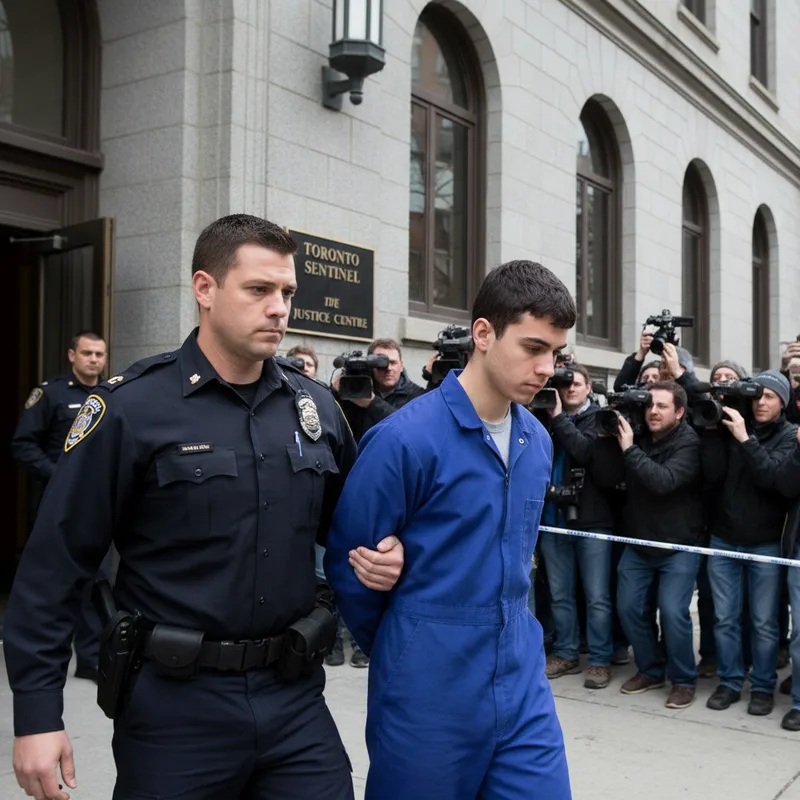
Thapa was scheduled to make his first court appearance on Sunday morning at the Toronto Regional Bail Centre at 10 Armoury Street. This initial appearance is typically brief, serving to formally read the charges and set a date for the next hearing, which is often a bail hearing.
The case will now proceed through the Ontario Court of Justice as the Crown attorney's office prosecutes the charges laid by the Toronto Police Service.