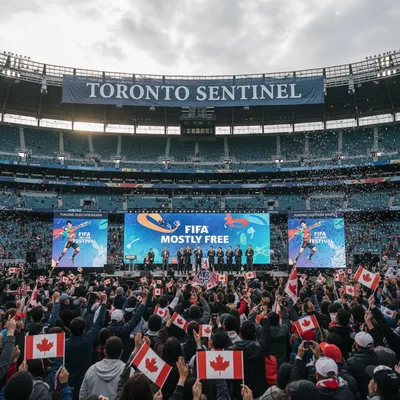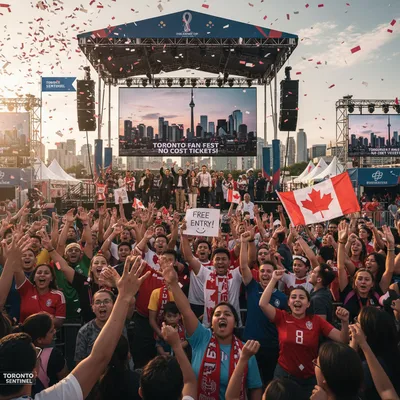
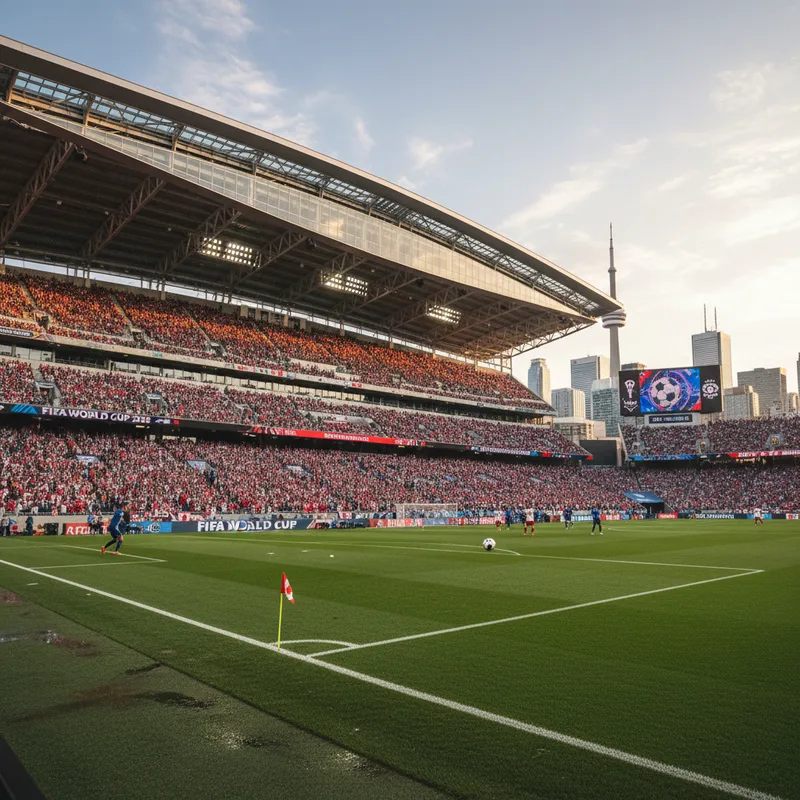
Toronto has marked a major milestone in its journey to co-hosting the FIFA World Cup 2026, with the city and Maple Leaf Sports & Entertainment (MLSE) announcing the completion of all major upgrades to Toronto Stadium. The newly renovated venue at Exhibition Place is now ready to host six tournament matches, including a historic first for the nation.
The comprehensive renovation project, which cost a total of $157.9 million, was funded primarily by the City of Toronto ($132.9 million) with a significant contribution from MLSE ($25 million). The upgrades were designed not only to meet FIFA's stringent international standards but also to leave a lasting legacy for the city's sports infrastructure.
In a news release on Tuesday, the city confirmed that the final phase of construction is finished, bringing the stadium's capacity to 45,000 and transforming it into a world-class facility. Toronto is set to host group-stage matches and a knockout round game, including the first-ever men's FIFA World Cup match played on Canadian soil, which will feature Canada’s Men’s National Team.
A two-phase transformation
The extensive upgrades were carried out in two distinct phases. The most recent and final phase focused on preparing the stadium for the tournament itself. This included the installation of a new pitch, redesigned dugout areas for the teams, and significant upgrades to player facilities.
A temporary seating expansion was a key part of this phase, boosting the stadium's capacity to 45,000 to accommodate the massive crowds expected for the global event. While these temporary stands will be removed after the tournament concludes, many other improvements are permanent. These include new hospitality spaces and enhanced broadcast infrastructure, which will benefit future events and the stadium's regular tenants, Toronto FC and the Toronto Argonauts.
The first phase of upgrades, which wrapped up in 2025, laid the foundational groundwork. It delivered critical infrastructure improvements such as new state-of-the-art videoboards, a completely overhauled lighting and audio system, and expanded kitchen and lounge facilities. Fan amenities and accessibility were also a central focus of the initial phase, ensuring an improved spectator experience throughout the entire venue.
With anticipation building in our city for FIFA World Cup 2026, we are proud to unveil, together with the City of Toronto, a world-class stadium to welcome the global game while providing fans with an unparalleled experience.
'an unforgettable experience' for players and fans
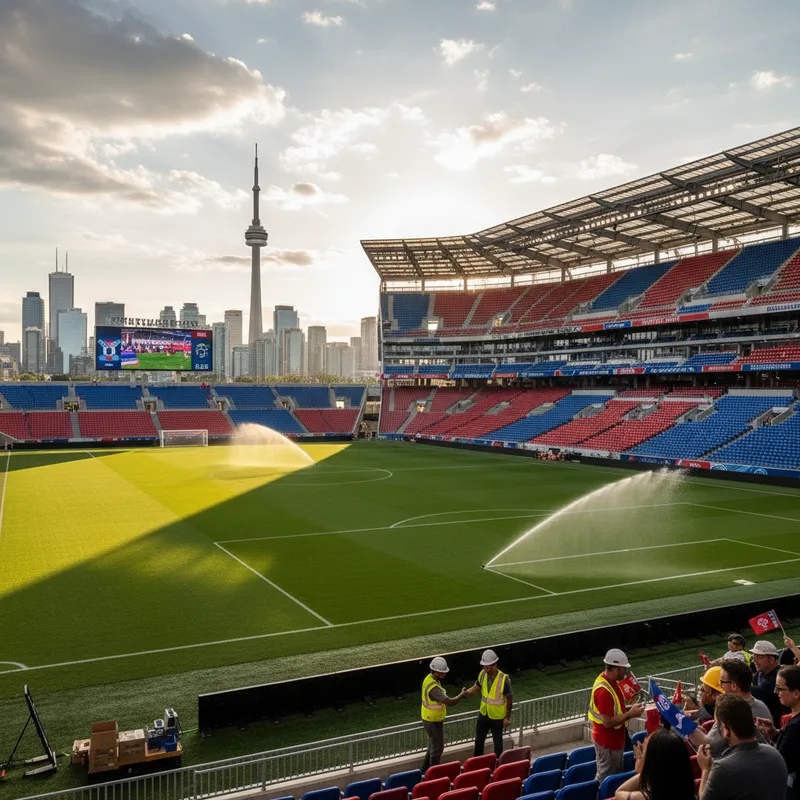
Civic and sports leaders hailed the project's completion as a pivotal moment for the city. Mayor Olivia Chow said the event is about more than just soccer. 'This is about bringing people together, celebrating our diversity and showcasing the strength and spirit of our communities while creating lasting benefits for Toronto long after the final whistle,' Chow said.
Keith Pelley, President and CEO of MLSE, thanked Toronto sports fans for their patience during the year-long construction. 'We are looking forward to the tournament leaving a meaningful legacy with a number of permanent stadium improvements that will positively transform the fan experience for years to come,' he said.
The project was a collaborative effort involving municipal, provincial, and federal governments. Neil Lumsden, Ontario's Minister of Sport, said the work will 'deliver an exceptional experience for fans and visitors from around the world'. The federal government contributed over $104 million towards the preparations. Adam van Koeverden, Secretary of State (Sport), said the investment will 'inspire the next generation of athletes' and leave lasting benefits well beyond Toronto.
Economic boom expected for toronto
Beyond the excitement on the pitch, the city is anticipating a significant economic windfall from hosting the tournament. According to a 2024 economic impact assessment by Deloitte, the FIFA World Cup 2026 could inject up to $940 million in positive economic output into the Greater Toronto Area.
The report projects this could include $520 million in GDP growth, $340 million in labour income, and an estimated $25 million in direct government revenue. Furthermore, the event is expected to be a major job creator, with projections estimating that more than 6,600 jobs will be created between June 2023 and the end of the tournament in August 2026. These jobs will span various sectors, including hospitality, transportation, and logistics, providing a significant boost to the local economy.
As North America's fourth-largest city and a global hub for finance, technology, and culture, Toronto is uniquely positioned to handle the influx of tourists and media. The investment in stadium infrastructure is also seen as a key part of the city's long-term strategy for attracting major international events, from sporting spectacles like the World Cup to major concerts and conventions, reinforcing its status on the world stage. Improving facilities at Exhibition Place is a key part of that strategy, as is ensuring smooth transit to the area, which could be impacted by projects like the province's plan for nearby Billy Bishop Airport.
Toronto's moment on the world stage
Hosting six games is a monumental undertaking, but the match on June 12, 2026, holds special significance. It will be the first time Canada's Men's National Team plays a FIFA World Cup match on home turf, a landmark moment for the sport in a country where its popularity has exploded in recent years. More information on the tournament schedule is available on the official FIFA website.
The successful renovation of Toronto Stadium is a testament to a coordinated effort between multiple levels of government and private partners like MLSE, which also owns the Maple Leafs and Raptors. From logistics to security, the collaboration aims to present a seamless and celebratory event for the hundreds of thousands of visitors expected to descend on the city.
While some festivals in 2026 have faced challenges, such as the cancellation of the Lochaber Live music festival in Scotland, Toronto's preparations are moving full-speed ahead. With the stadium now complete, the focus will shift to operational readiness. The permanent upgrades will serve Toronto's major league sports teams for years, while the temporary seating will be dismantled after the final match, returning the venue to its legacy configuration.