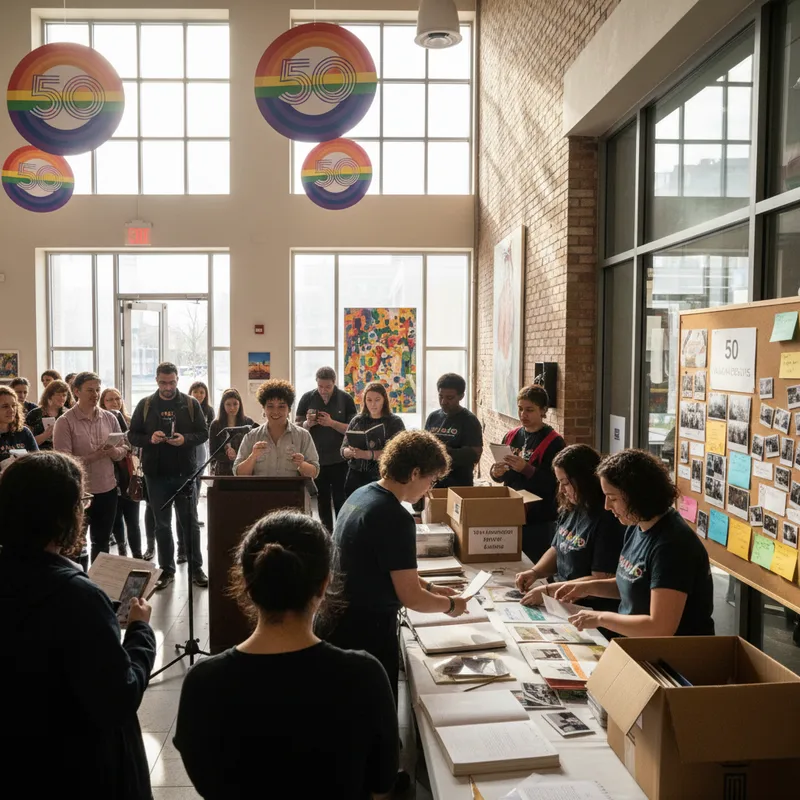
The 519 has launched a public appeal for personal histories as it prepares to mark 50 years as a fixture of Toronto’s Church and Wellesley neighbourhood. The centre is calling on elders, youth, newcomers, and activists to submit their accounts of the facility’s half-century of operation to create a permanent digital and physical archive. Organisers are looking for more than just dates and data. They want the records of potlucks, protests, and private moments of refuge that have occurred within the building since it opened in 1975. The project aims to document the evolution of the 2SLGBTQ+ movement in the city through the eyes of those who lived it. "We believe the story of The 519 is best told in the voices, and through the experiences, of our diverse communities," the organisation said in a statement. The collection will include video, audio clips, photographs, and written reflections sourced directly from the public.
Preserving fifty years of history
The initiative comes as many local institutions look to digitise their legacies for modern audiences. By using the MemoryFox platform, the centre allows users to record and upload content directly from their devices. This digital-first approach ensures that the records can be shared across social media, annual reports, and future exhibitions. The 519 has played a central role in the city's civic life, acting as a municipal community centre under the City of Toronto. Over five decades, it has transformed from a local meeting spot into a primary provider of services for queer and trans people, including those seeking asylum and seniors looking for social connection. The project is also open to those who may have had difficult experiences with the organisation. Management has acknowledged that the institution’s history is "imperfect" and says it welcomes stories shared in good faith that offer critique alongside celebration.
Technology meets tradition
While the push for digital archives grows, the centre is maintaining traditional methods for those less comfortable with technology. Staff are offering one-on-one interviews in person, over the phone, or via video calls to help people shape their narratives. This focus on accessibility mirrors other local efforts, such as OCAD University and its work on global inclusion standards. The 519 is also providing support for those who wish to submit stories in languages other than English, including American Sign Language (ASL). This effort to include newcomers and the Deaf community is part of a broader commitment to uplifting voices that have been underrepresented in traditional queer history. Submissions are being curated for use in a series of 50th-anniversary publications and installations. The material will also serve as a resource for future education and training programs, ensuring that the lived experiences of today’s residents inform the social services of tomorrow.
Submissions and deadlines
The organisation is requesting that video and audio submissions be kept under two minutes to allow for a wider variety of voices. Longer recordings may be edited by the team for length before being archived or published in the centre's newsletters and online galleries. The storytelling drive is part of a significant year for Toronto's social sector. While organisations like United Way Greater Toronto focus on fundraising targets, The 519 is prioritising cultural capital by building a library of local wisdom and lived experience. Other regional events are similarly looking to boost their historical profiles. The Midland butter tart festival recently gained recognition as a top provincial event, highlighting a trend of local gatherings documenting their cultural impact on Ontario. Residents have until June 1, 2026, to submit their materials for the primary anniversary programming. While the centre will continue to collect stories throughout the year, early submissions will be prioritised for the initial round of exhibitions and public displays.