Toronto families are beginning to book spots for the 2026 March Break and summer camp season as providers across Ontario release their updated schedules. Data from the Our Kids camp guide shows a significant shift toward specialised educational programming, with tech-focused and leadership camps seeing high early demand. The 2026 season includes options ranging from traditional overnight stays in Algonquin Park to day programs within the Greater Toronto Area. Parents are now navigating a market that includes year-round learning centres alongside the standard seasonal breaks in March and December.
Rise of specialised educational camps
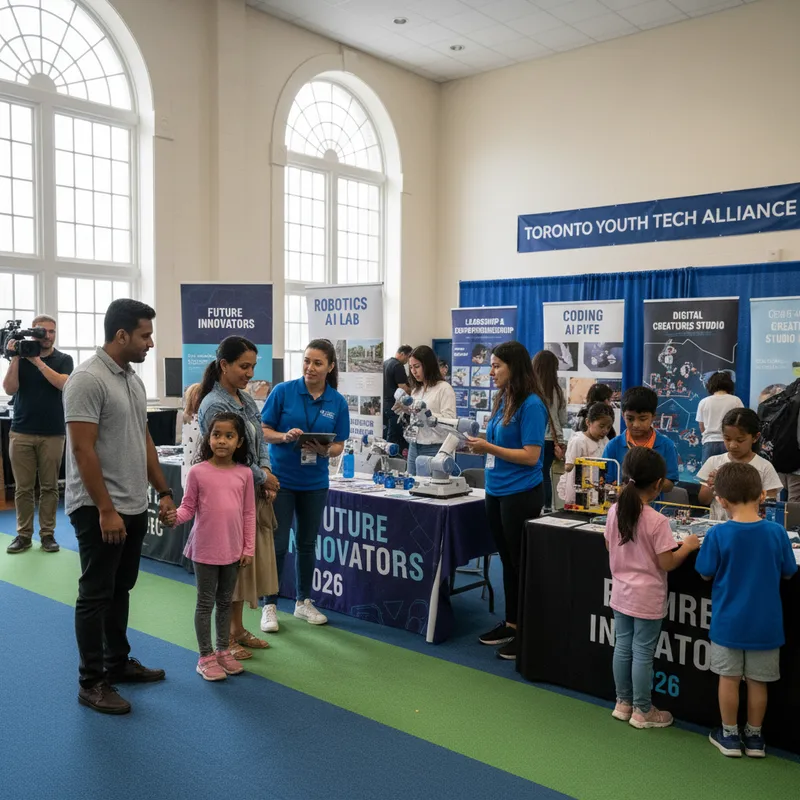
Educational camps have moved beyond basic tutoring to include disciplines such as robotics, video game design, and engineering. Programming now covers niche digital skills including Roblox and Minecraft development, reflecting a trend toward blending play with career-relevant technical skills. Leadership and youth empowerment programs are also seeing increased enrolment. These programs often target teenagers looking to build resumes or complete volunteer hours required for secondary school graduation in Ontario. Many of these camps are now integrated with internship applications and formal training paths. Tutoring centres and STEM programs have expanded their year-round presence. Instead of two-week sessions, many providers now offer modular courses that allow students to progress through levels of mathematics or science at their own pace during school holidays.
Regional distribution and accessibility
While Toronto remains the primary market, camp availability has expanded across the provincial regions. The Peel, York, and Durham regions have seen a growth in day camp options to accommodate suburban expansion and the lack of commute into the city core. Outdoor and nature-based camps remain concentrated in northern Ontario regions like Muskoka and Algonquin Park. These traditional overnight camps continue to report high retention rates, though the cost of residential programs remains a barrier for many families. Lower-cost alternatives often come through municipal offerings or public initiatives. In other jurisdictions, cities are looking at different ways to use public space for youth engagement, such as how Kitchener seeks public input on expanding its urban forest areas which are frequently used for nature camps. Similarly, large-scale events like the Diversity Festival in Manukau show how public gatherings are increasingly incorporating educational components for children.
Impact of arts and performance programs
Arts-based camps, including musical theatre, film production, and visual arts, have maintained a steady share of the market. These programs often use professional facilities to give students exposure to the industry. For instance, some Toronto performing arts camps link their final showcases to venues listed in the TO Live schedule for the upcoming year. Traditional seasonal sports camps like hockey and basketball are also evolving. Many now include data-driven coaching and fitness testing, moving away from the purely recreational models of previous decades. Specialised activities such as karate, golf, and gymnastics are seeing growth in the Halton and Waterloo regions. French immersion and ESL camps are particularly active during the summer months. These programs cater to Ontario's bilingual requirements and attract international students looking for intensive language practice in a social setting.
Registration timelines and logistics
The Our Kids guide notes that many popular programs reach capacity by late February for March Break and by April for summer sessions. Families are encouraged to check specific gender-based or coed requirements before booking, as some traditional camps maintain single-sex policies for overnight stays. Virtual programs, which gained prominence during the pandemic, have remained a permanent fixture for some providers. These offer a solution for families in remote areas or those seeking specific technical training not available at local day camps. Most providers are now required to list clear health and safety protocols alongside their activity schedules. This includes updated staffing ratios and instructor certifications for high-risk activities like rock climbing and water sports. Parents can check the Ontario Ministry of Education website for standards regarding child care and summer learning. Registration for most Toronto-area summer programs will remain open until June or until spots are filled. Parents should confirm refund policies and insurance options before finalising any residential camp bookings for the 2026 season.