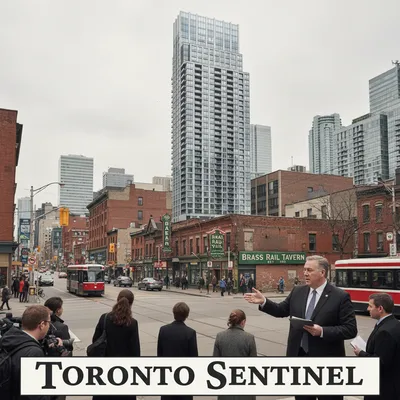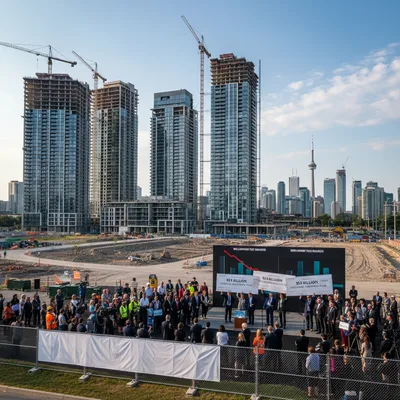
Toronto wants to start naming and tracking rental buildings that rack up repeated complaints.
Mayor Olivia Chow says a new city database and tougher enforcement will target negligent landlords, starting this summer.
What is toronto’s cracking down on bad landlords motion
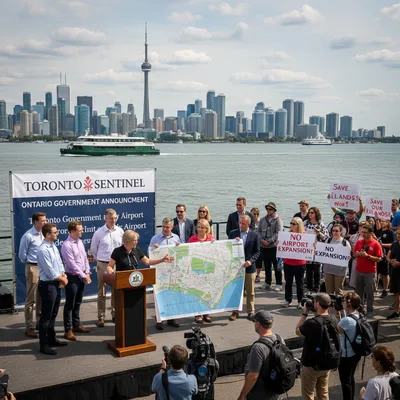
Chow introduced a motion at city hall Tuesday called “Cracking Down on Bad Landlords.” It aims to tighten oversight of landlords who do not complete repairs and allow properties to deteriorate.
The motion calls for a cross-divisional, publicly available database to track rental properties with multiple complaints. City staff plan to launch it in July.
The system would help city divisions share information about problem addresses. It would also help staff coordinate inspections, orders, and follow-up visits.
Coordination will be led by the Housing Secretariat. The motion also lists support from Public Health, Toronto Fire, Legal Services, Municipal Licensing and Standards, and Toronto Building.
Chow said the goal is faster action when complaints repeat and repairs stall. “Half of Torontonians rent their homes. Landlords are required to maintain safe, clean, dignified housing, and when bad landlords fail to do so, the city must be there to help…I will not tolerate slumlords,” Chow said.
How the public database and “problem building” label would work
The motion sets up a new path for proactive investigations. Landlords with repeated violations across multiple properties could face city-led investigations without waiting for the next tenant complaint.
Buildings could also be identified as “problem buildings,” which would trigger “more intensive” enforcement. The motion does not yet spell out the threshold for that label.
The proposal also signals a more visible approach for tenants and neighbours. Chow said the city will soon introduce colour-coded signs on apartment buildings to signal maintenance conditions.
City council has discussed signage before, and it has drawn mixed reactions. Chow’s motion ties the signs to enforcement, not just public awareness.
The crackdown sits alongside other housing and cost-of-living debates at city hall. Tenants searching for stable housing have also pushed demand in other markets, including private education, as seen in Toronto private school enrollment.
Why 500 dawes rd. is singled out in the motion
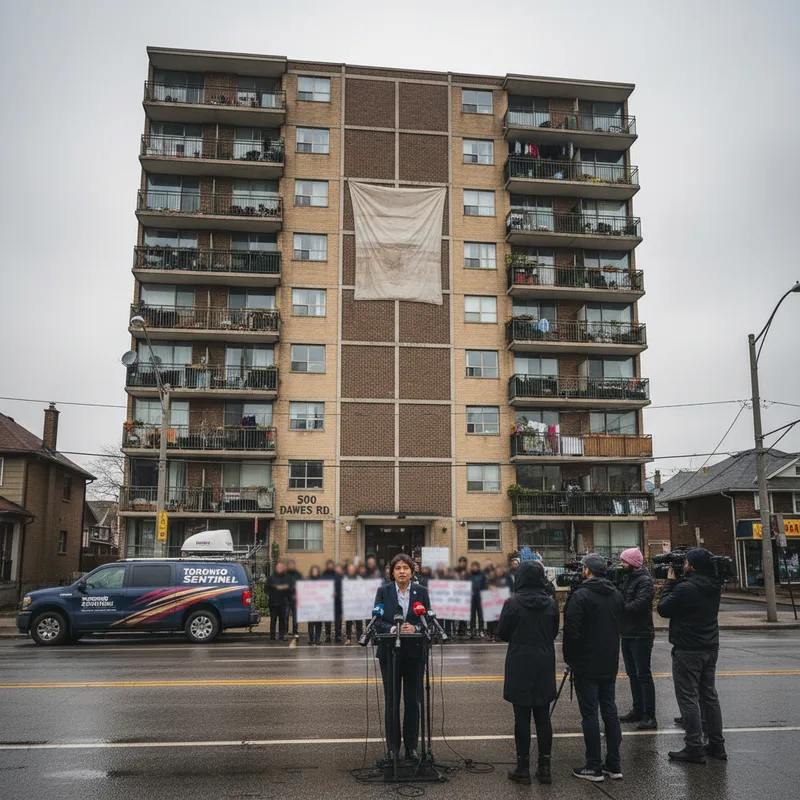
The motion specifically targets 500 Dawes Rd., a 14-storey building in East York with a long history of complaints. Chow said the property has faced property-standards issues for decades.
Chow told reporters she visited the building last summer and heard directly from residents. She described pest infestations, mould, and unsafe infrastructure.
“I met families who keep their clothing in plastic bags because the pest infestation is so bad. Tenants whose walls are crumbling from moisture and mould, balconies that are unsafe to stand on common areas in disrespect, the laundry room with a massive hole in the wall, exposed wiring and pests,” she said.
Under the proposal, Chow asks the city’s Housing Secretariat to take remedial action at 500 Dawes Rd. The motion also points to help from Toronto Community Housing and CUPE 416, citing resources that could support action.
Complaints like mould and pests can raise health concerns beyond property standards. The city often directs tenants to track issues and request inspections through the provincial framework, including Landlord and Tenant Board processes outlined by the Ontario government’s renting guide.
What changes are coming to RentSafeTO enforcement in 2026
Chow tied the motion to staffing in the city’s 2026 budget. She said the city has hired more RentSafeTO officers.
Those officers can investigate and deploy city services to address issues that landlords do not fix. The motion frames that power as a backstop when orders fail.
RentSafeTO already sets standards for apartment buildings and carries inspection and audit tools. The motion signals a shift toward using those tools earlier, especially for repeat offenders.
Tenant advocates have long argued that enforcement feels reactive and slow. The new database aims to show patterns across time, not just one-off calls.
Summer heat and winter humidity often expose building maintenance problems, from ventilation failures to mould growth. Tenants can track seasonal risks in resources like Toronto weather in March when planning for repairs and air quality concerns.
When council will debate penalties for bad landlords
Council passed the motion Tuesday. The next step is a discussion of regulations and possible penalty increases.
Councillors will debate what new rules are needed to support enforcement and whether to increase penalties for landlords who fail to provide repairs. That meeting is scheduled for March 25.
The motion lands as other cities test different forms of public accountability. Outside Canada, some events and venues also rely on signage and publicly posted compliance information, including the Comedy Festival returns to the Chinese Museum report, which notes how organisers manage public-facing standards for large crowds.
If council approves new penalties, city staff will have to align enforcement across divisions before the database goes live in July.