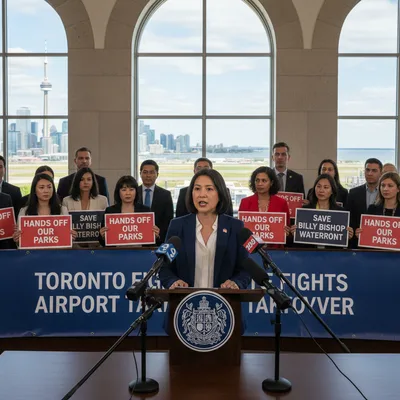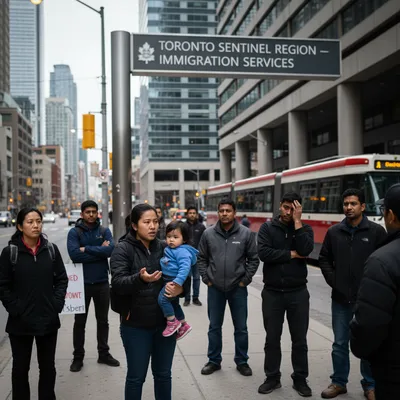
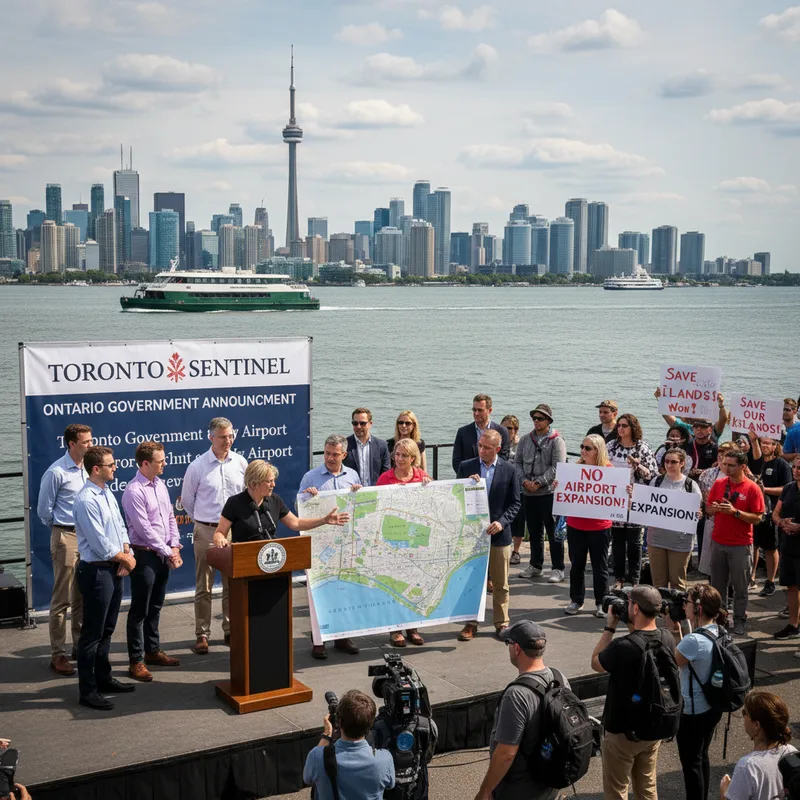
The Ontario government has clarified it does not intend to take over the entirety of the Toronto Islands, a move to quell a political firestorm ignited by its own legislation. Last week, the province introduced a bill that would grant it the authority to expropriate the islands, sparking immediate condemnation from city officials.
In a statement, the office of Transportation Minister Prabmeet Sarkaria said the province’s only goal is to acquire the land needed to facilitate an expansion of Billy Bishop Toronto City Airport. The government says it will work with the City of Toronto to identify the specific parcels required for the project, which aims to allow jets to operate from the waterfront airport.
This clarification comes after the broad language of the proposed bill caused significant alarm. The legislation would allow the province to take Toronto’s place in a key tripartite agreement that has governed the airport and surrounding lands for decades. Critics were quick to point out the bill gives the province power over all of the Toronto Islands, as well as a small park on the mainland.
A decades-old agreement
The contentious legislation targets the 1983 Tripartite Agreement, a foundational document signed by the City of Toronto, the federal government, and the Toronto Port Authority (now PortsToronto). This agreement has long been the mechanism that balances the airport's operations with the needs and interests of the city and its residents. For over 40 years, it has dictated land use, noise restrictions, and famously, prohibited the expansion of the airport runway and the use of jet aircraft.
By seeking to replace the City of Toronto as a signatory, the provincial government would fundamentally alter this long-standing balance of power. The original agreement ensured the city had a direct say in the future of the airport located on its waterfront. The new bill would effectively sideline the municipal government, giving the province and its federal partners control over future development. More information on the original accord can be found on the PortsToronto website. This move is seen by many as a direct challenge to municipal authority and a way to fast-track Premier Doug Ford’s vision for a larger, busier island airport. Similar debates over development and land use have arisen elsewhere, such as in Sydney, where Liverpool is slated for a major university campus amid calls for 'Parramatta treatment'. While the province insists it will collaborate with the city, the legislation itself provides it with the authority to act unilaterally if it chooses.
Contentious waterfront expansion
Premier Ford has long championed the expansion of Billy Bishop Airport, arguing it is a vital economic driver for the city and the province. The main goal is to amend the tripartite agreement to allow modern, quiet jets to use the airport, which supporters claim will increase business travel and tourism. This would likely require an expansion of the current runway, a move that has been historically opposed by City Council and local community groups.
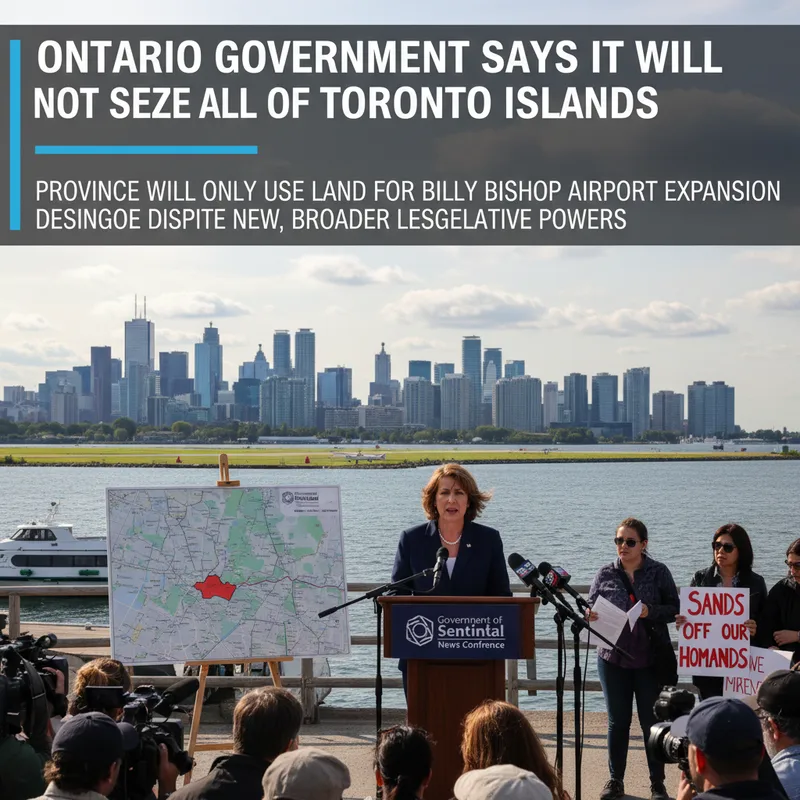
Opponents of the expansion raise concerns about increased noise pollution, traffic congestion in the surrounding downtown area, and the environmental impact on the Lake Ontario waterfront. The airport's location makes any expansion a sensitive issue, sparking a fierce debate over the best use of public land on the waterfront. Similar debates over the development and use of public spaces are common in other major cities, such as Los Angeles, where the safety of athletic fields is being weighed against development pressures.
The city has previously pushed back against provincial plans for the airport, setting the stage for the current conflict. A detailed look at the ongoing disputes can be found in our previous coverage of Toronto fighting Ontario's airport takeover plan.
City Hall decries provincial 'land-grab'
Mayor Olivia Chow forcefully condemned the province's move, calling it a "land-grab without consultation." Her comments reflect a growing frustration at what many on council see as repeated provincial incursions on municipal jurisdiction. The relationship between the city and the Ford government has often been tense, marked by disagreements over transit, housing, and public finances.
The Toronto Islands are not just home to the airport. They are a beloved public park, a car-free recreational oasis, and home to a small, dedicated residential community. For many Torontonians, the islands represent a vital escape from the urban density of the downtown core, offering beaches, walking paths, and iconic skyline views. The area is a major draw for locals and tourists alike, particularly during the spring bloom of the cherry blossoms on Centre Island.
The idea that the entire park system could fall under provincial control, even if the government denies that is the plan, has touched a nerve. New Democrat Leader Marit Stiles echoed the mayor's concerns, stating that Premier Ford has "picked an unnecessary fight with Toronto over waterfront plans." Stiles argued the government should be more focused on pressing issues like health care and job creation rather than sparking jurisdictional battles.
An uncertain path forward
Despite the minister's assurances, the bill as written remains a powerful tool in the province's hands. It still has to pass through the legislative process at Queen's Park, where it will be debated further. The pledge from Sarkaria's office to work with the City of Toronto will be closely watched. It remains to be seen whether this co-operation will involve genuine consultation or simply informing the city of decisions that have already been made.
The conflict highlights a fundamental disagreement over who should control the future of Toronto's waterfront. While the province sees an underutilized economic asset, the city and many of its residents see a vital public space that must be protected from unchecked development.
For now, the fate of the tripartite agreement and the potential expansion of Billy Bishop Airport hangs in the balance. The province has stated its narrow intention, but has given itself the broad power to reshape one of Toronto's most important public assets.