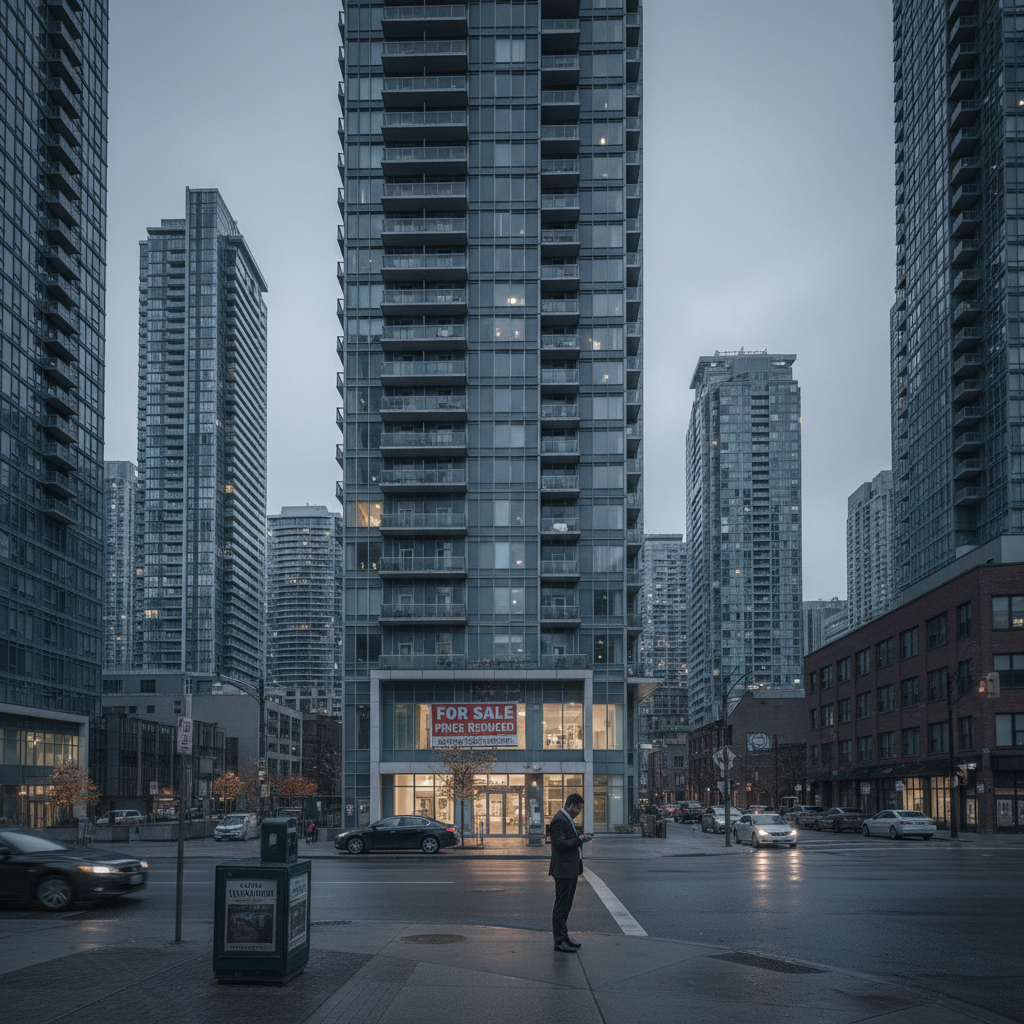
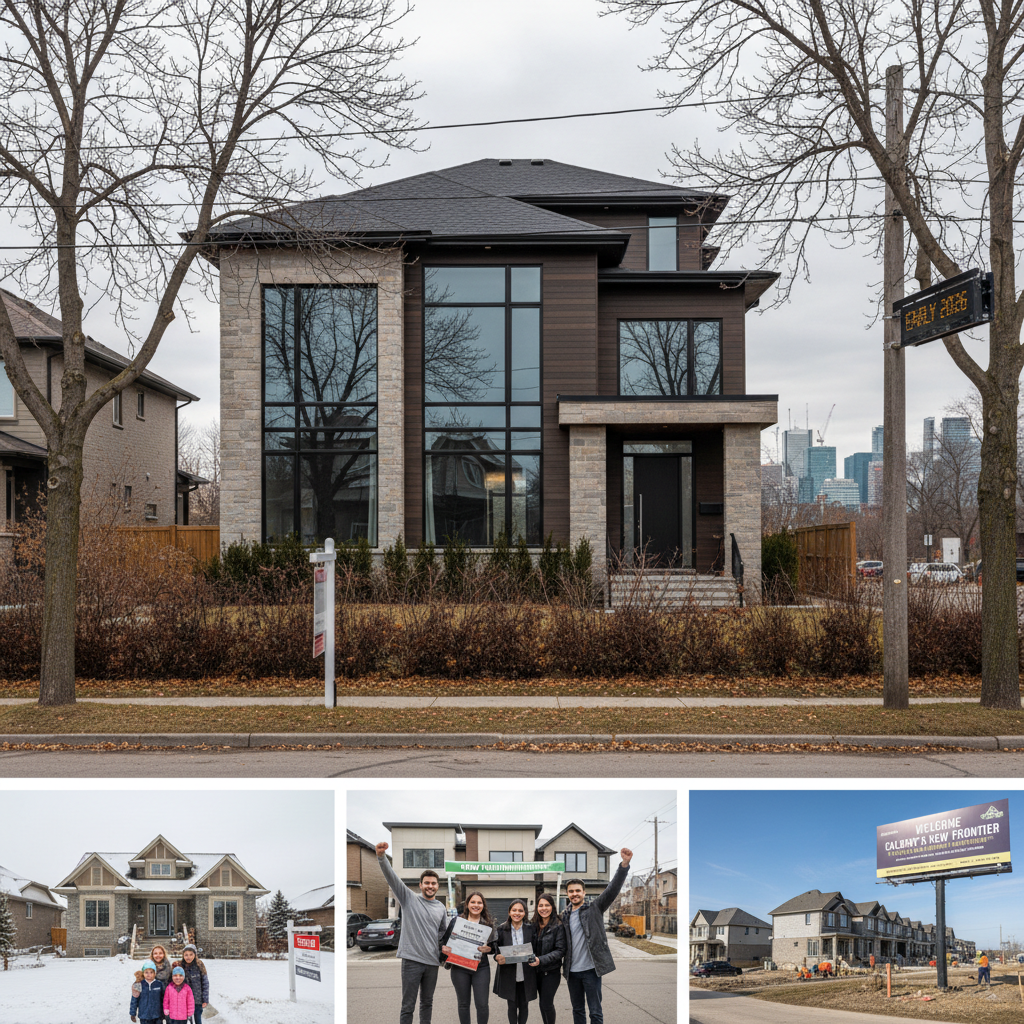
Luxury home sales in the Greater Toronto Area are cooling significantly, with activity dropping by 16.9 per cent in the first four months of 2026, even as smaller Canadian cities experience a surge in high-end property transactions. A new report from RE/MAX Canada highlights a major shift in the country's luxury real estate market, with buyers turning away from Canada’s two most expensive cities, Toronto and Vancouver, in favour of more affordable options in the Prairies and eastern Canada.
The 2026 Spring/Summer Spotlight on Luxury Report, which analyzed sales from January 1 to April 30, shows a dramatic divergence between markets. While the GTA experienced a sharp decline, and Greater Vancouver saw an even larger drop of 19.8 per cent, other urban centres posted strong double-digit growth. Edmonton led the country with a remarkable 47.7 per cent increase in luxury sales, followed by Saskatoon at 27.3 per cent, Ottawa at 17.5 per cent, and Calgary at 13.5 per cent.
This trend suggests a fundamental rebalancing of the national luxury market. For years, high-end real estate was almost exclusively synonymous with Toronto and Vancouver, where global wealth and investment concentrated. Now, factors like relative affordability, robust local economies, and interprovincial migration are reshaping demand, pushing an affluent class of buyers toward cities that offer more value and a different quality of life.
Prairie markets and Ottawa lead the pack
The ascent of cities like Edmonton and Calgary is directly tied to the economic strength of the Prairie provinces. Buoyed by momentum in key sectors, these regions have attracted a new wave of residents from other parts of Canada, particularly from Ontario and British Columbia, where housing costs have become prohibitive for many. This influx of new residents, many of whom arrive with significant equity from home sales in more expensive markets, has fuelled demand at the upper end of the market. The same trend is evident in Calgary, which continues to benefit from a growing population and a diversifying economy. For a deeper dive into what Calgary has to offer, check out the ultimate guide to Calgary’s best breweries.
In the east, Ottawa’s 17.5 per cent growth is bolstered by its stable, high-income employment base in the federal government and a burgeoning technology sector. Halifax also saw continued strength, driven by population growth and strong demand for lifestyle-oriented properties with features like waterfront access. These markets are proving that luxury is no longer just about a prestigious postal code in a major metropolis.
A redefinition of luxury
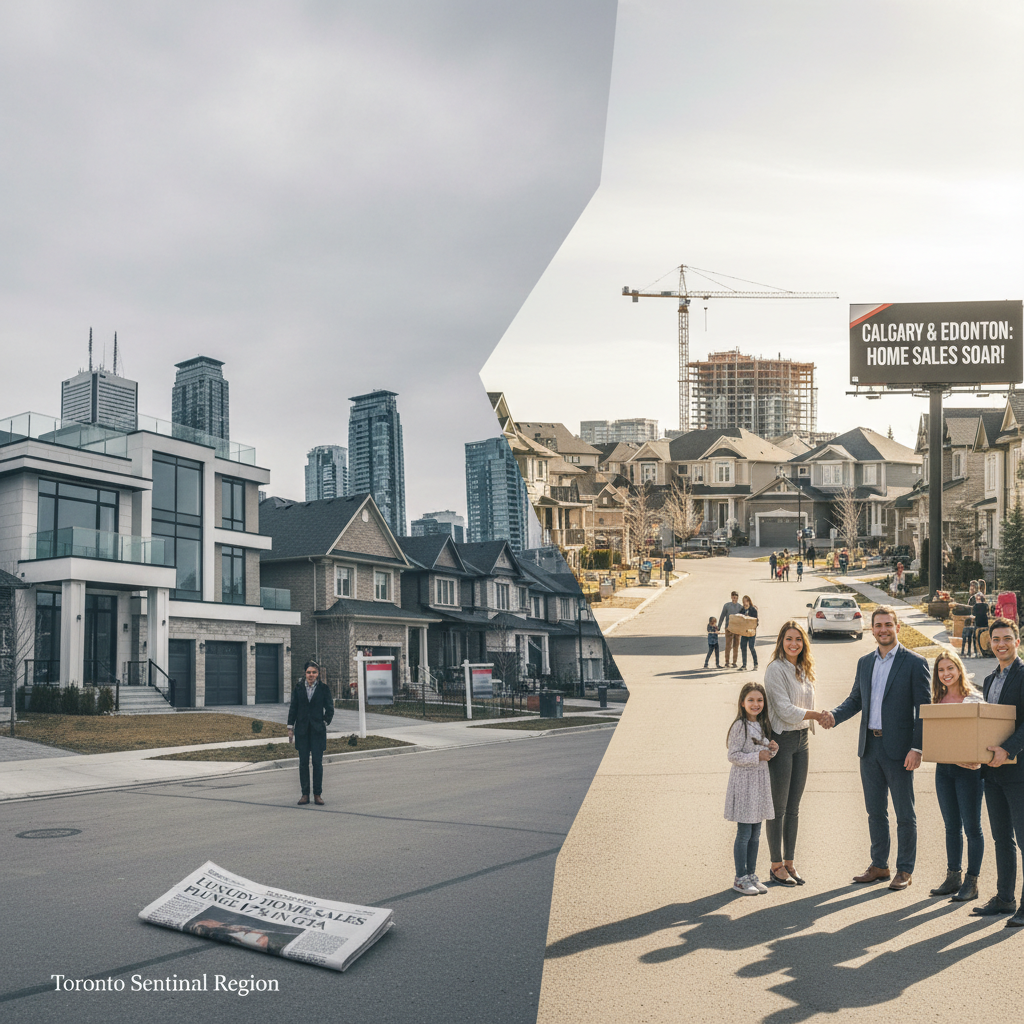
The shift in buying patterns is forcing a re-evaluation of what the term "luxury" means in Canadian real estate. It appears to be evolving from a simple focus on price and location in a major urban centre to a more nuanced appreciation for space, privacy, and lifestyle amenities.
Don Kottick, President of RE/MAX Canada, says the market is undergoing a significant regionalization.
Luxury is no longer defined solely by Canada’s largest urban centres. Smaller and mid-sized markets are experiencing increasing or stable conditions at the higher end of the luxury segment, largely supported by economic diversification, population growth, and continued demand for lifestyle-oriented properties.
The report notes that even with this shift, buyers are not acting recklessly. In all markets, purchasers are favouring turnkey and recently renovated homes over properties that require extensive work. This indicates a desire for move-in-ready convenience and an avoidance of the risks and rising costs associated with construction and renovations. Estate-style settings, lots with acreage, and homes with unique location-specific features are also highly sought after.
Cautious buyers and long-term outlook
While wealth remains heavily concentrated in Toronto and Vancouver, buyers in these cities have become more measured and cautious. The RE/MAX report attributes this to a combination of economic uncertainty, evolving tax policies, and broader questions about Canada’s long-term economic outlook. High interest rates over the past two years have also played a role, making borrowing more expensive and tempering speculative activity that once drove prices to record highs.
Even in the smaller markets experiencing a boom, activity remains strongest at the entry-level luxury price points. The most expensive listings, those at the very top of the market, are taking longer to sell. This suggests that while buyers are eager to find value, they remain price-sensitive and discerning. The days of unconditional offers and bidding wars on multi-million dollar homes appear to have subsided, replaced by a more calculated and patient approach.
Kottick characterizes the current landscape as a rebalancing rather than a full-scale retreat from luxury spending. The wealth is still there, but it is being deployed more strategically. "Canada’s luxury market is becoming more dynamic and more regional, focusing less on where wealth has been historically concentrated and more on where buyers see value and long-term opportunity," he said. This trend marks a significant shift, suggesting that the geography of wealth and luxury in Canada is continuing to evolve.
This shift away from Toronto’s high-end market aligns with broader trends of instability and crime that can impact the decisions of high-net-worth individuals, including recent concerns about gun-for-hire networks operating in the city. While the city remains a vital economic hub, the appeal of a quieter, more affordable, and arguably more stable lifestyle elsewhere is proving to be a powerful draw for a growing number of Canadians.