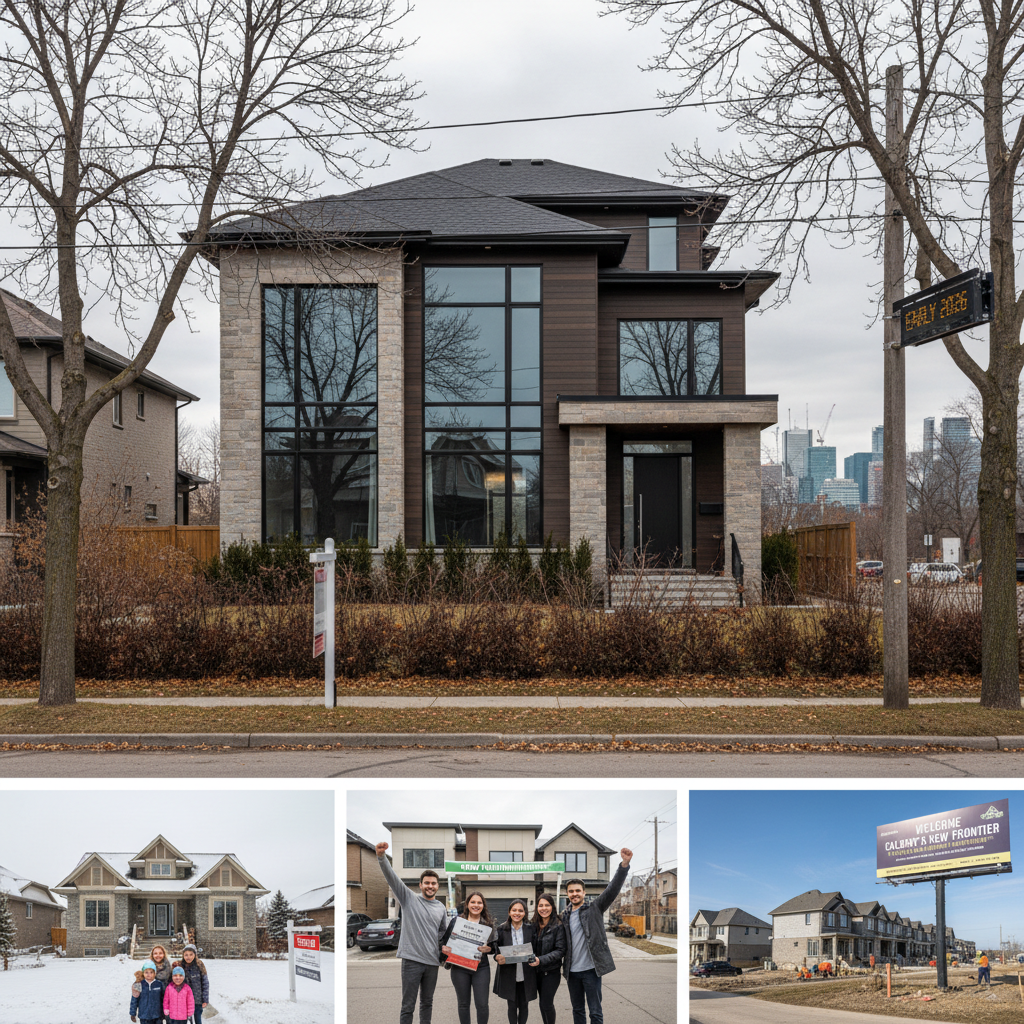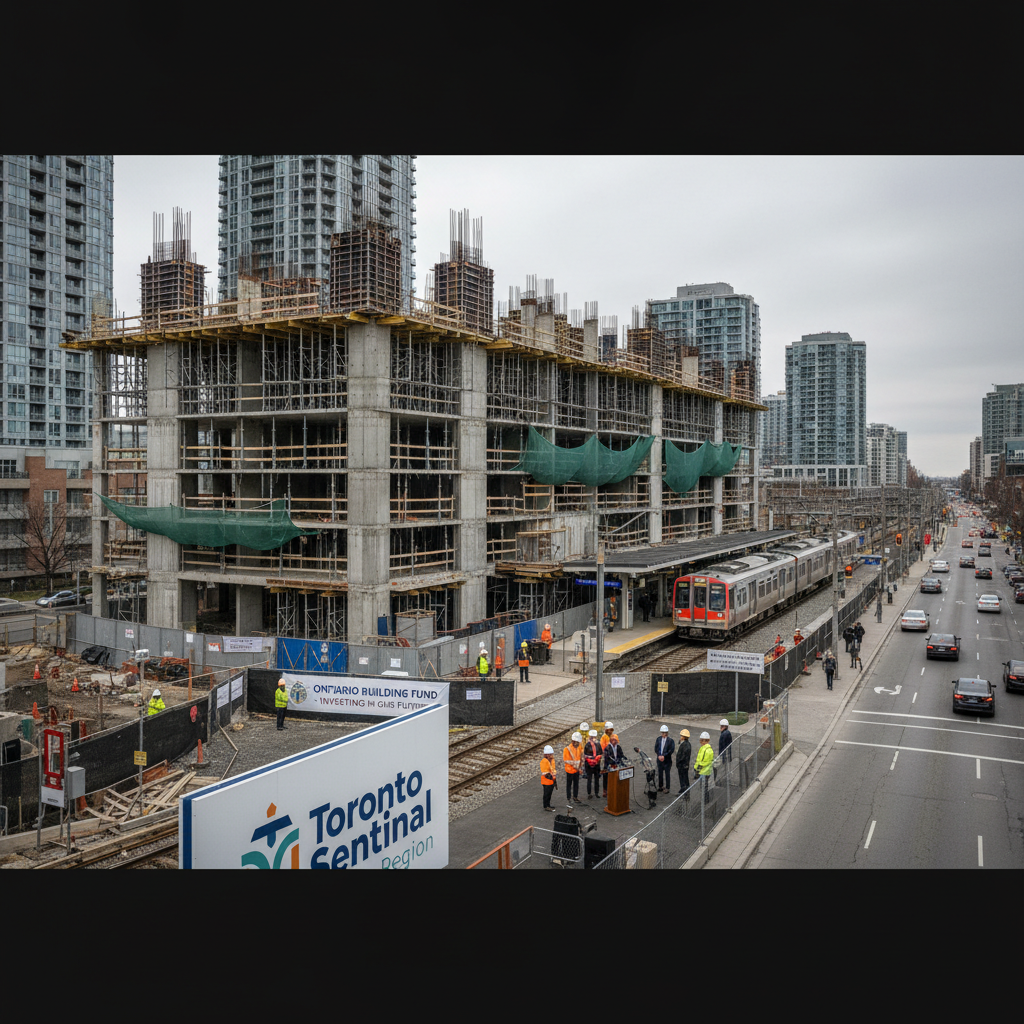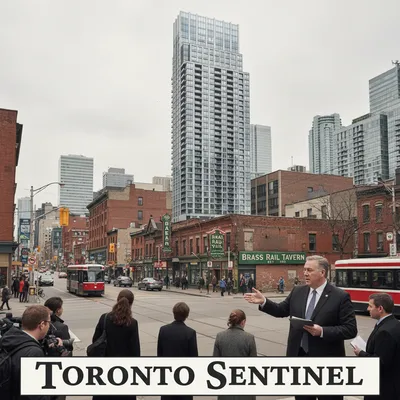
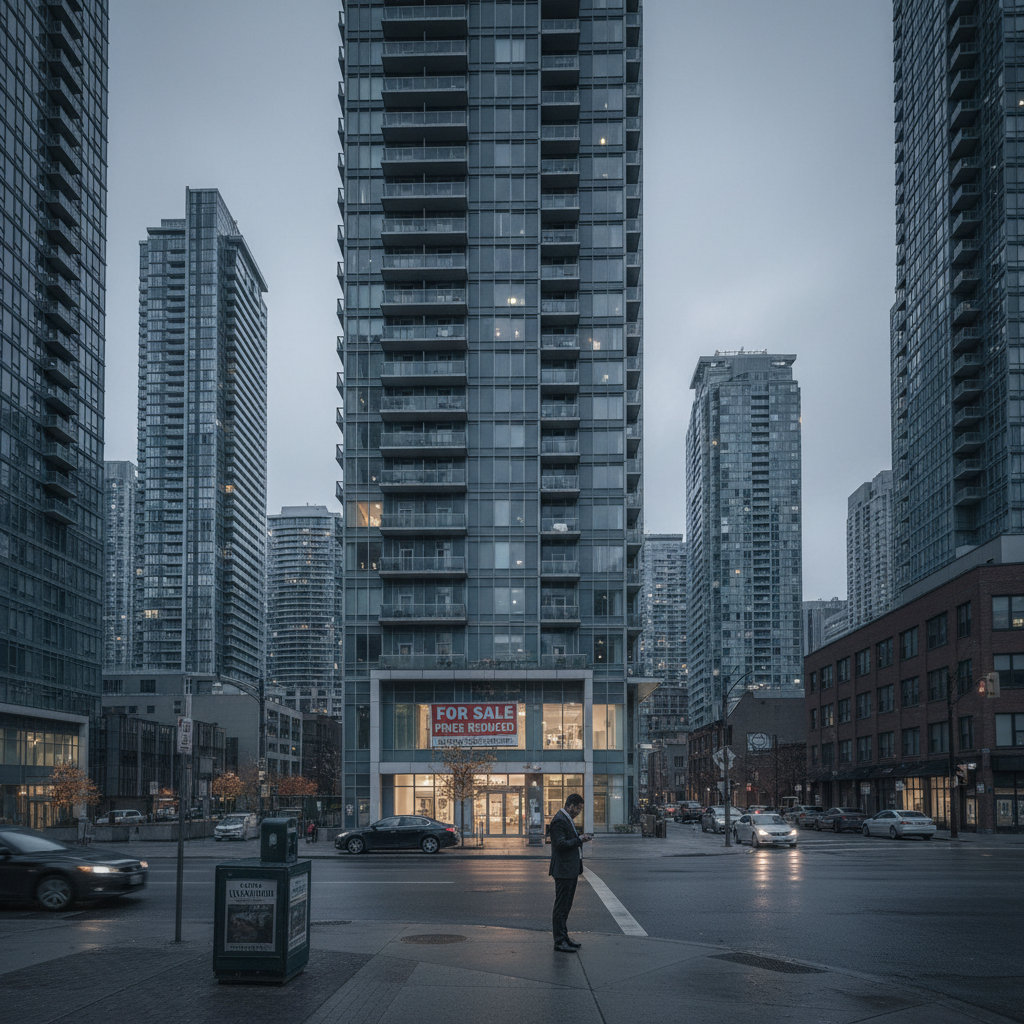
A downtown Toronto condo that would have sparked a bidding war just a few years ago is now sitting on the market after more than 100 days and a $159,000 price cut. The silence that greeted its offer night is a stark illustration of the new reality facing sellers in Toronto's protracted condominium correction.
Davelle Morrison, a real estate agent with Bosley Real Estate, listed her client’s 650-square-foot condo in Corktown for $558,000 in early March 2026. After an initial price reduction failed to attract buyers, she relisted it for $399,000 in May with a set offer night a week later.
“We had an offer night on Monday, and it was crickets. Nobody came to the table,” says Morrison. “This is definitely a very new thing for this market.”
Four years after the speculative frenzy of the city’s condo market peaked in early 2022, the insatiable investor demand and rapid price growth have been replaced by plummeting prices, weak buyer appetite, and a growing sense of anxiety for those who bought at the top.
Where have all the buyers gone?
The scene in Corktown is playing out across the Greater Toronto Area. Instead of lineups for showings, realtors are seeing listings linger for months. According to the Toronto Regional Real Estate Board (TRREB), there were 6,668 active condo listings in the GTA at the end of the first quarter of 2026.
“There’s a lack of showings,” says Toronto realtor Tim Yew at Re/Max Ultimate Realty. “The buyers are not out there.”
This situation is a direct consequence of the series of interest rate hikes initiated by the Bank of Canada to curb inflation, which began in March 2022. The higher borrowing costs have squeezed buyers' purchasing power and cooled what was once Canada's hottest housing market. The slowdown isn't just affecting condos; the market for luxury homes has also seen a significant drop in sales.
While data from the Canadian Real Estate Association (CREA) shows a slight improvement in inventory, with 5.4 months of supply at the end of the first quarter of 2026, buyers are in no hurry. Research firm Urbanation reports that the median number of days a Toronto condo spent on the market rose to 41 in the first quarter, up from 36 a year prior.
A correction for the record books
By then, the bank expects prices will have fallen between 25 to 30 per cent from their early 2022 peak. At that time, TRREB data showed benchmark condo prices were in the mid-$700,000 range. A 30 per cent drop would bring the benchmark price to the low $500,000s, wiping out years of equity gains for recent buyers.
The TD report states that condo sales declined by 11 per cent year-over-year in the first quarter of 2026, putting them about 40 per cent below the 10-year average. “The imbalance behind the downturn persists, with demand levels insufficient to absorb elevated supply,” the bank said.
Sellers take major losses, others refuse to sell
For some owners, the correction is already leading to devastating financial losses. Sewit Tamene, a realtor at Real Estate Homeward, recalls a client who purchased a penthouse unit near Dundas and Jarvis for $1.125 million in January 2024. The previous owner had bought it for $1.372 million at the market’s height in 2022, making the discounted price seem like a smart investment.
When her client decided to sell a year later after finding another property, the market had turned. “At the time, no one expected the market to be where it is today,” Tamene says. After eight months and six price reductions, the penthouse finally sold for just under $1 million, landing the seller with a loss of about $125,000 before transaction costs.
Data analytics firm Teranet confirms that the timing of a purchase is critical. In 2025, 36.6 per cent of homes sold that were originally purchased in 2022 went for a loss. In contrast, only five per cent of homes bought in 2020 and sold in 2025 resulted in a loss, as these owners had a much larger equity cushion.
Faced with such steep losses, some sellers are simply pulling their properties off the market. Morrison worked with a couple who delisted their King West condo after months of lowball offers. Instead of selling for less than they paid, they are exploring having one partner buy out the other to hold the property until conditions improve. “They didn’t want to sell anymore,” Morrison says, hoping a few years will allow them to recover their original investment.
Investors stuck with cash-flow negative properties
The pressure is particularly intense for investors who purchased condos near the 2022 peak, often with variable-rate mortgages. As interest rates climbed, so did their monthly carrying costs.
Yew describes one investor client whose monthly costs for a property surged from $2,200 to over $3,000. With rental income no longer covering the mortgage, taxes, and condo fees, many owners are now cash-flow negative each month.
Assignment sales turn into a ‘bloodbath’
The pain is acutely felt in the assignment sales market, where original buyers of pre-construction units sell the contract to a new buyer before the building is complete. Once a popular strategy for flipping for a quick profit, it has become a desperate measure to mitigate losses.
Jeff Carr of Re/Max City Teams, which specializes in such sales, recently represented a client who sold their assignment contract for $300,000 less than the nearly $560,000 they agreed to pay at a pre-sale event in 2021. The seller, who had planned to rent out the unit, decided to take the massive loss rather than close on the property and face negative cash flow.
“A loss like that catches the buyer’s attention,” Carr says, highlighting the deep discounts now necessary to attract any interest in a market saturated with similar off-market listings. These sales are reshaping the financial landscape for many who bet on Toronto's ever-rising skyline, which has been undergoing massive development, similar to infrastructure projects like the multi-billion dollar overhaul at Toronto Pearson airport.
With Toronto facing a prolonged downturn, other Canadian cities like Calgary are grappling with their own distinct local challenges. For Toronto condo owners, however, the forecast remains cloudy. According to the TD Economics report, the market is not expected to see a sustained uptrend in prices until 2028, heralding one of the longest and deepest corrections in the city’s recent history.