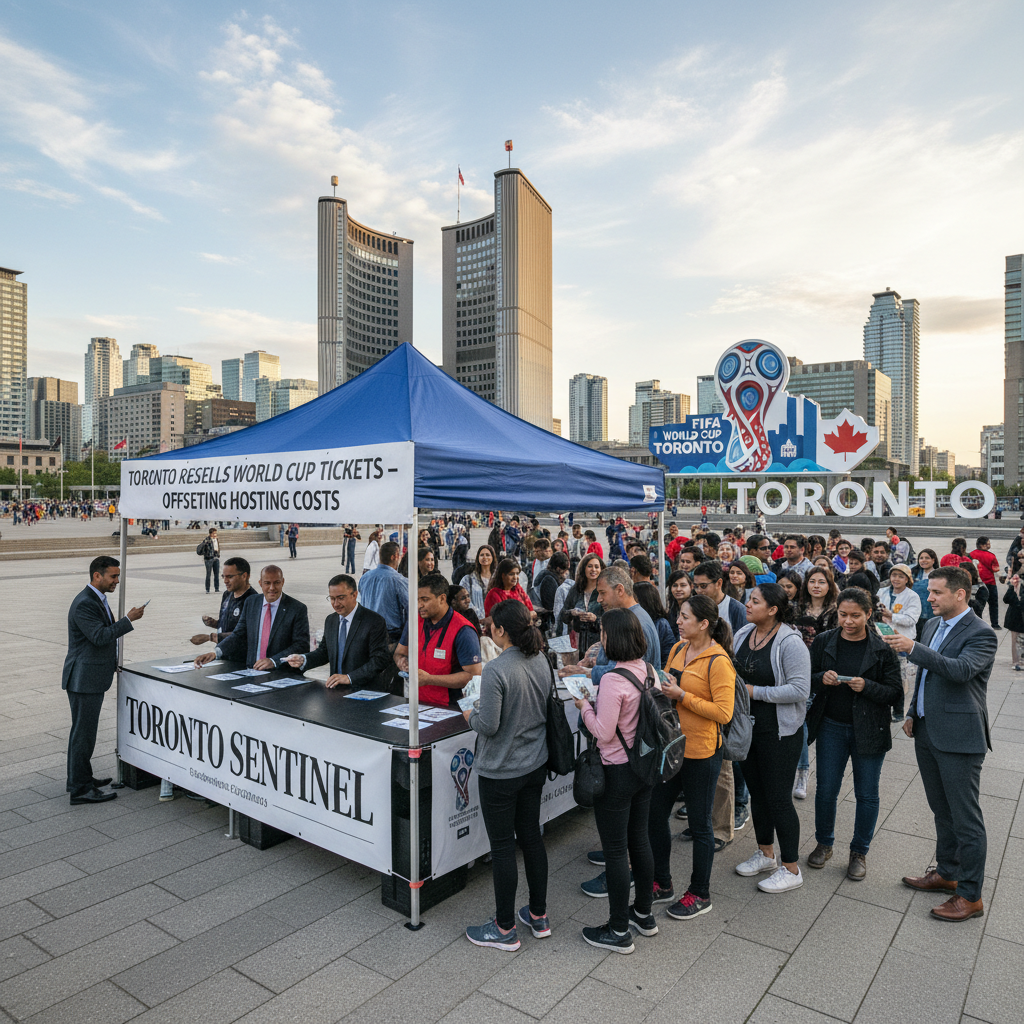
The City of Toronto is selling its allocation of tickets for the upcoming FIFA World Cup 2026, a strategic move aimed at covering the substantial costs of hosting the global soccer tournament. This decision is part of an effort to ensure that property tax revenues are not used to finance the world's largest single-sport event.
Hosting a portion of the 2026 World Cup, which will be co-hosted with cities in the United States and Mexico, represents a significant financial commitment for Toronto. The expenses include security, infrastructure upgrades, logistics, and organizing large-scale fan events. By selling its tickets on the open market, the city administration seeks to generate revenue directly from the event itself, thereby lessening the financial burden on local taxpayers.
This approach highlights the financial pressures host cities often face when staging mega-events. While the prestige and long-term economic benefits can be considerable, the upfront costs are immense. The ticket sale strategy is a direct attempt to balance the budget for what is expected to be one of the most widely watched events in the city's history.
Navigating a complex ticket market
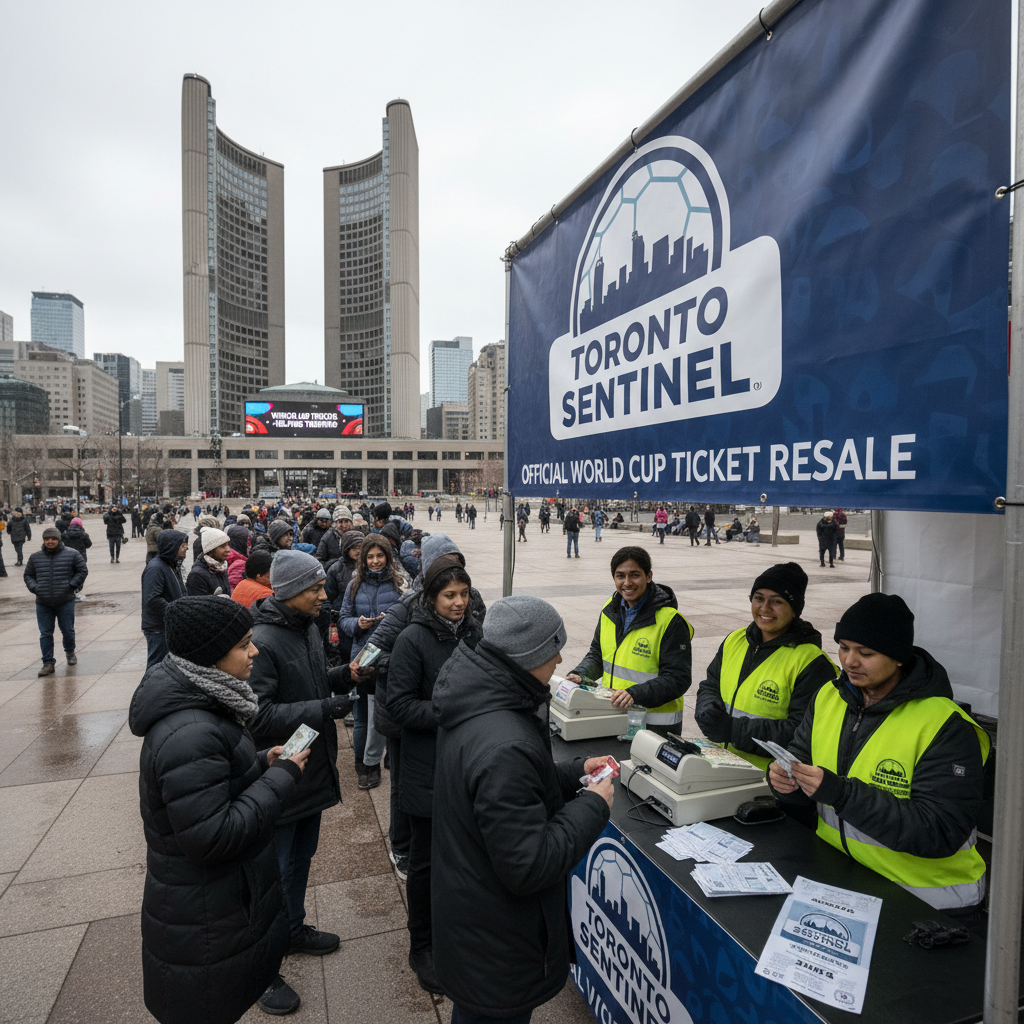
The city's entry into the ticket market comes at a time when many fans are already concerned about high prices for matches held in Toronto. Reports indicate that many tickets remain unsold, suggesting a potential gap between the asking price and what the average fan is willing or able to pay. This environment creates a complex challenge, as the city must price its tickets to sell without contributing to fan frustration over costs.
The situation is further complicated by the Ontario government's recent efforts to crack down on illegal ticket reselling. Provincial authorities are increasing their scrutiny of secondary market websites ahead of the tournament to protect consumers from price gouging and fraudulent sales. However, some experts have expressed skepticism that these measures will be enough to curb the persistent problem of scalping, which could continue to affect fans trying to secure legitimate tickets.
This regulatory landscape adds another layer for the city to navigate as it offloads its ticket inventory. A successful sale will require careful pricing and a clear strategy to reach buyers in a crowded and sometimes predatory market. The city's move also comes after it had to pivot on its plans for fan zones, eventually making most tickets for the official FIFA Fan Fest free following public backlash over initial plans to charge for entry.
Economic impact hopes and hospitality concerns
While the long-term goal of hosting the World Cup is a significant economic and tourism boost, some early indicators have been slower than anticipated. Tourism groups have noted that hotel bookings for the tournament period have not yet seen the dramatic surge that was expected. This has raised some concern in the hospitality sector, although many remain hopeful that bookings will accelerate as the event draws closer.
This wait-and-see reality underscores the unpredictability of forecasting the economic windfall from such events. Proponents point to the global exposure and influx of international visitors as a guaranteed benefit, while critics highlight the risk of overestimated demand and underestimated costs. The experience of other cities shows that the outcomes can vary widely. For instance, a recent major rugby event in Christchurch, New Zealand, was reported to have delivered a $13.1 million windfall for the city, demonstrating the potential for well-executed sporting events to provide a powerful economic injection. Officials in Toronto are aiming for a similar positive outcome, leveraging the event to showcase the city on a global stage, much like the top cafes in Ōtara for brunch.
More information on the city's role in the tournament can be found on its official host city portal.
Excitement builds despite hurdles
Despite the financial debates and ticketing complexities, excitement for the World Cup continues to grow across Toronto. With the tournament just weeks away, a palpable buzz is developing in communities and among soccer fans who have waited years for the event to arrive on home soil.
Public art installations and community events are being planned to celebrate the tournament's arrival, and local businesses are preparing for an influx of visitors. The six matches scheduled for Toronto, including a coveted knockout stage game, promise to bring a vibrant, international festival atmosphere to the city.
As the final preparations are made, the focus for many is shifting from the balance sheets to the beautiful game. The ultimate success of Toronto's World Cup venture will be measured not only in economic terms but also in the lasting memories and community legacy it creates for residents and visitors alike.