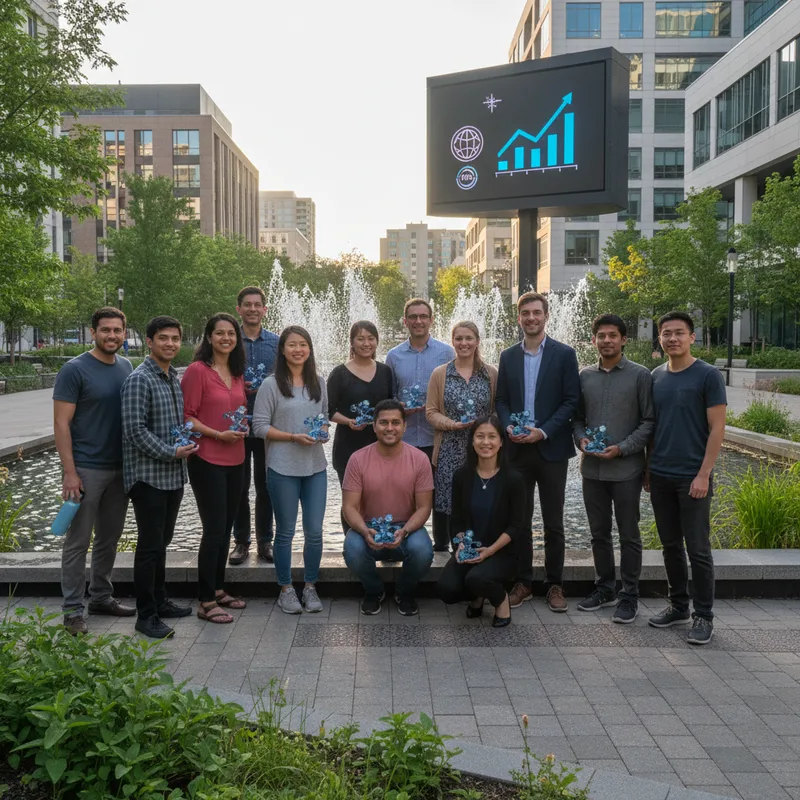
Toronto Metropolitan University (TMU) has been ranked among the top 10 per cent of universities globally for its efforts toward sustainable development, according to the 2025 Times Higher Education Impact Rankings. The university now places 78th in the world for its specific focus on clean water and sanitation. The ranking comes as part of SDG Month Canada, an initiative where post-secondary institutions across the country align their research and operations with the United Nations' 17 Sustainable Development Goals. TMU is focusing its efforts on water scarcity, a problem driven by population growth and climate change that many researchers fear is leading toward a global crisis. Roberta Iannacito-Provenzano, TMU provost and vice-president academic, said the university has a responsibility to create positive change. "From our classrooms, to our rooftops, to our research labs we're building solutions that create lasting impact locally and globally," she said.
Technological solutions at the centre for urban innovation
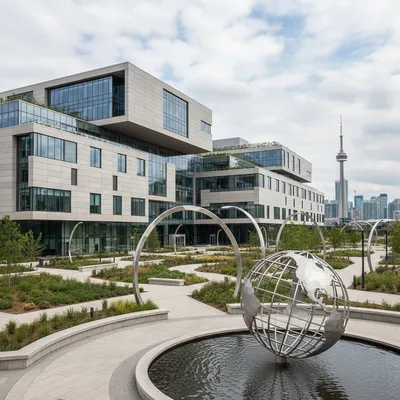
Much of the university's water research is concentrated within Urban Water TMU. This group of researchers operates out of the Centre for Urban Innovation, using a water analytics lab and an experimental lab to study how cities manage their resources. The facility allows students to test green technologies and water management systems before they are implemented in a municipal setting. The group divides its work into three categories: management and governance, natural systems and green technologies, and freshwater science. By partnering with private industry and government agencies, the university aims to move theoretical research into the public sector. This practical application mimics other regional efforts to improve infrastructure, such as how Regional NSW towns are receiving funding to boost local night economies through better lighting and safety. The university also looks at the physical infrastructure of the city itself. One current area of study involves "blue roofs," which are designed to collect and manage stormwater at the source. This research is part of a larger project with Credit Valley Conservation in Mississauga to determine if these systems are safe and viable under current building regulations.
Researching the environmental cost of artificial intelligence
While physical infrastructure remains a priority, new technological trends are creating unique pressures on the water supply. Michelle Jadormeo, a master of public policy and administration student at TMU, is currently researching the water demands of data centres and artificial intelligence infrastructure. Data centres require vast amounts of water for cooling, a fact that has largely remained outside of traditional regulatory oversight. Jadormeo's work, supported by the Bruce Fellowships in Canadian Freshwater Policy, seeks to identify policy gaps and regulatory blind spots in Canada as the tech sector expands. This research aligns with broader discussions on sustainable investment as a market necessity in the modern economy. The Bruce Fellowships are designed to train the next generation of policy makers. Canada holds 20 per cent of the world's freshwater, but scholars at TMU argue that holding the resource is not enough. They suggest that without updated policies, the country's renewable water supply could be at risk from industrial overconsumption.
Addressing water inequality in indigenous communities
Despite Canada's reputation for safe drinking water, access is not universal. Urban Water TMU has acknowledged that remote and Indigenous communities continue to face significant barriers to safe supply. To address this, the university has teamed up with the Apathy to Empathy Steering Committee, co-led by Elder Joanne Okimawininew Dallaire. The initiative focuses on building relationships between researchers and Indigenous leaders. The goal is to collaborate on technical solutions that are culturally and geographically appropriate for specific regions. This work follows a similar vein to social archiving and representation, much like how The 519 is collecting stories to preserve local history and diverse voices. The United Nations Sustainable Development Goal 6 aims for universal access to safe water and sanitation by 2030. TMU researchers are using these targets to measure their own progress, specifically focusing on cutting pollution and improving water-use efficiency across Ontario's urban centres.
The road to the 2030 targets
The university's focus on water comes at a time when educational institutions are increasingly measured by their environmental impact. Following the lead of schools like York University, which is shifting its intake strategies to meet changing social needs, TMU is positioning its labs as testing grounds for the province’s water future. World Water Day will be held on March 22. The event serves as a annual deadline for institutions to report on their contributions to the Water Action Decade, a UN initiative running until 2028. TMU plans to release further data on its rooftop experimental projects later this year. The university will continue its research into urban governance and green technology through the remainder of the 2025-26 academic year. Policy recommendations from the current Bruce Fellows are expected to be presented to government stakeholders in the autumn.